AI and the Writing Industry: What You Actually Need to Know in 2026
AI and the Writing Industry: What You Actually Need to Know in 2026
If you've spent any time in author Facebook groups or writing forums lately, you'll have noticed that AI is everywhere in the conversation. And the conversation tends to swing between two extremes: either AI is going to destroy publishing as we know it, or it's the greatest creative revolution since the printing press. Neither camp seems particularly interested in a measured middle ground.
Here's the thing: most of what's being said — on both sides — isn't especially useful if you're a working author trying to figure out what, if anything, you should actually do about it.
So let's cut through the noise and talk about what's actually happening, what it means for your writing career, and what practical steps you might consider taking.
What's Actually Happening Right Now
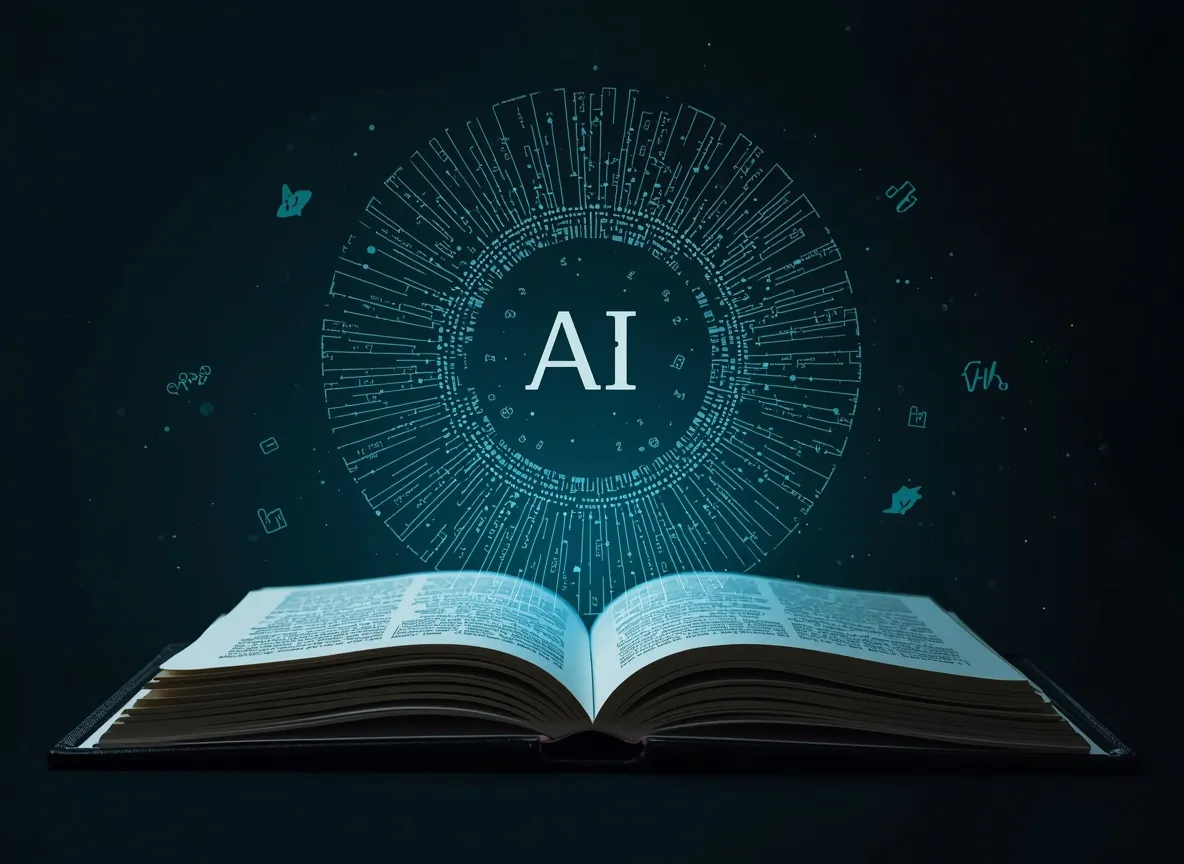
AI writing tools have become genuinely capable over the past few years. Large language models — the technology behind tools like ChatGPT, Claude, and others — can produce coherent, grammatically correct prose at speed. They can brainstorm plot ideas, write marketing copy, draft emails, and generate book descriptions.
They can also, with varying degrees of success, generate fiction. This is the part that understandably concerns many authors.
At the same time, AI is being integrated into the publishing industry itself — not just as writing tools, but in editorial assistance, metadata generation, cover design, audiobook narration, and discoverability algorithms on retail platforms. These aren't science fiction scenarios; they're happening now, at different scales across different parts of the industry.
The copyright landscape is actively contested. Lawsuits involving authors and AI companies are working their way through courts in multiple countries. Outcomes are uncertain, and the law is catching up to the technology — slowly.
What This Means for Writers
Let's be direct: the concerns aren't imaginary. Content flooding — particularly in certain genres on certain platforms — is a real phenomenon. Some readers are already wary of AI-generated books, and that wariness is likely to grow as the quality of AI prose improves and the volume increases.
But here's what we'd push back on: the idea that authentic human authorship is becoming less valuable. If anything, the opposite is becoming true.
Readers don't just want a story. They want a voice. They want to know that a real person sat down and wrestled with this particular narrative, made these particular choices, and brought their particular experience to the page. That connection — between a human author and a human reader — is something AI cannot manufacture, no matter how fluent its prose.
Your authentic voice and lived experience are not replicable. That's not a platitude; it's a structural truth about what language models do and don't have access to.
What You Can Do About It
Start with the non-creative tasks
The most sensible place to begin with AI tools is the business side of your author life. Drafting book descriptions, generating keyword ideas, brainstorming social media captions, summarising reader feedback, researching historical details, drafting email subject lines — these are tasks where AI assistance is genuinely useful and where your creative voice isn't at stake.
Many authors have found that spending less time on these peripheral tasks means more energy and headspace for the actual writing. That's a good trade.
Stay informed about copyright developments
The legal landscape around AI and copyright is changing. Follow reputable sources — the Authors Guild, the Society of Authors, and IP-focused publishing industry news — for developments that could affect your rights. You don't need to become a lawyer, but you should have a general sense of where things stand.
In Australia, the copyright position is still developing. If this is an area of particular concern for you, it's worth speaking to an intellectual property lawyer about how to best protect your work.
Know your platform's policies
Amazon KDP now requires authors to disclose when AI has been used in the creation of content. Other platforms and publishers are developing their own policies. Make sure you understand the rules of any platform you publish on, and comply clearly — not just because you're required to, but because your relationship with readers depends on trust.
Focus on what AI genuinely cannot do
This one is worth sitting with: AI cannot build a relationship with your readers. It cannot show up consistently, respond authentically to reader messages, develop a public voice over years, or write the book that only you — with your specific combination of experiences, obsessions, and perspective — could write.
These are competitive advantages that become more valuable in a world where AI-generated content is abundant.
Our Take
AI is a tool, not a verdict on the value of human creativity. Used thoughtfully, it can free up time, improve certain aspects of the publishing workflow, and help authors do more of what they actually want to do: write.
Ignoring it entirely won't make it go away. But panic isn't useful either. The authors who will navigate this moment best are the ones who approach it with curious, informed pragmatism — trying the tools, understanding the landscape, protecting their rights, and above all, keeping their creative work rooted in what makes it genuinely human.
That's what we're here to help with, one step at a time.
How are you feeling about AI and the writing industry right now? We'd love to hear your honest thoughts — drop a comment below. This is a conversation worth having openly.


